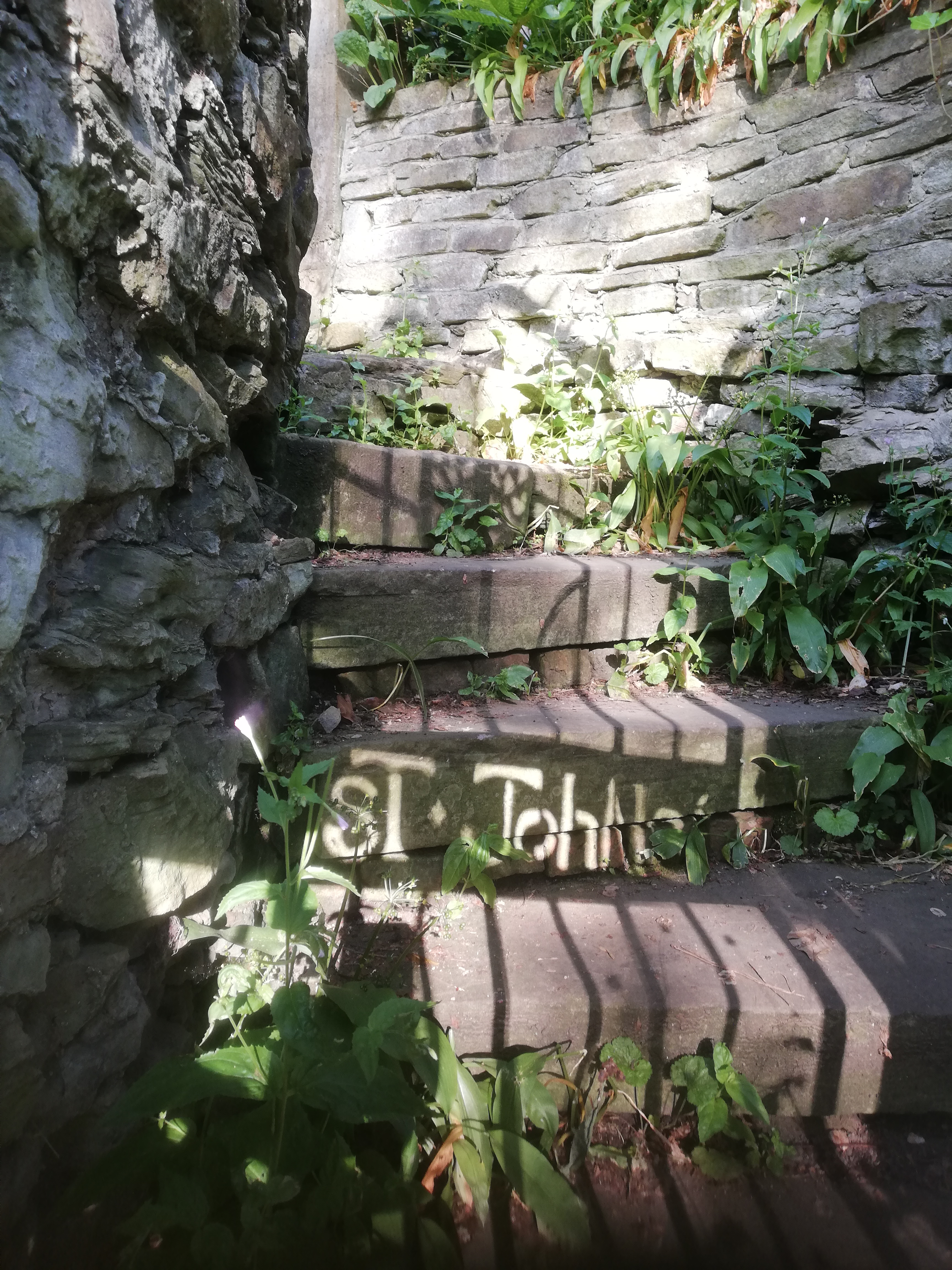
Chevening Scholar, Swastika Paudel, poignantly reflects on the lessons learnt, opportunities embraced, and connections made during her Masters studies at St John’s college.
Written by Swastika Paudel
Edited by Chloe Showell, Arts and Culture Editor.
Arriving in Durham as an international student meant leaving almost everything familiar: Nepal, my family and my work as an architect. I came as a Chevening Scholar to study for an MA in International Cultural Heritage Management, but first I had to decide which College might become my community.
As a liver-out student, the Bailey colleges were practical – close enough to visit regularly without negotiating Durham’s hills. St John’s appealed to me for its community, scholarly character and place within the Durham Castle and Cathedral World Heritage Site. As an architect moving into heritage management, I liked the thought that College life would unfold within the landscape I had come to study. Durham taught me to see heritage not simply as inherited fabric, but as something cared for through present-day relationships and decisions.
Some of my most memorable moments at St John’s have been quiet ones. I have spent more time in the Sir William Leech Library than anywhere else in the university, listening to the Cathedral bells while watching the seasons change through its windows. It has become a place to read, write and think—and occasionally to discover that three hours have passed while I was still “finishing one paragraph”.

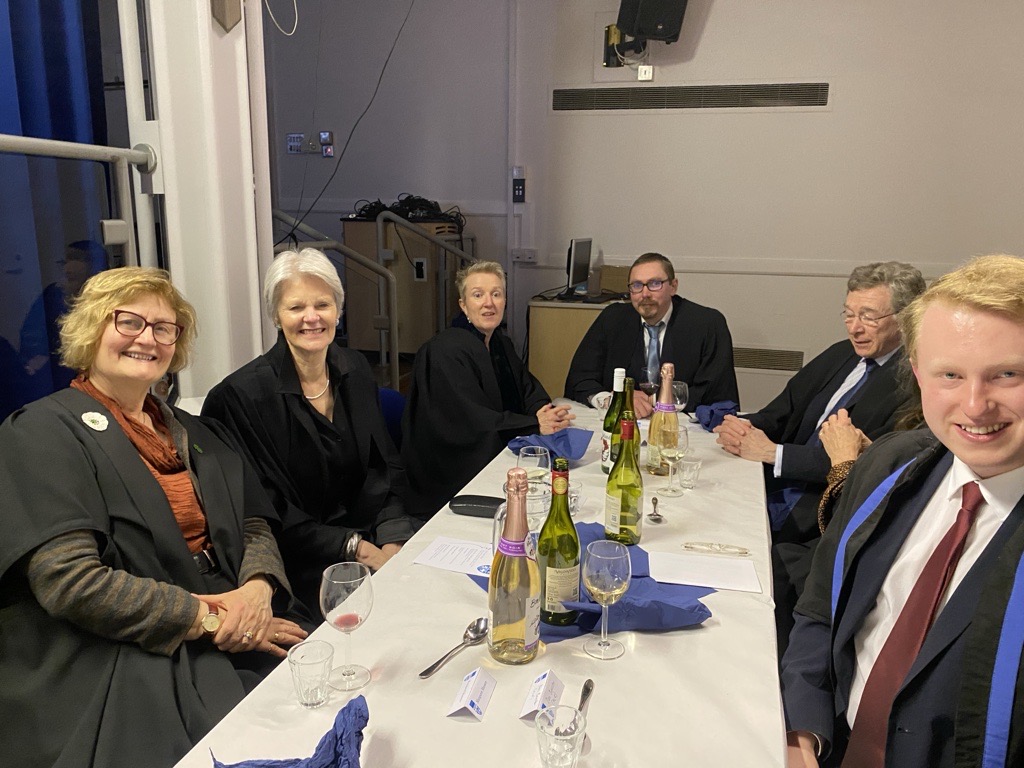
College life offered another kind of education: through the MCR, formal dinners, trips and conversations, I found a strong community. A visit to Beamish became a day of discovery, laughter and new friendships. Conversations after formals often moved beyond our courses towards questions of society, responsibility and the wider world. They showed me how formality can sit alongside warmth, and how people from different cultures and disciplines can find common ground.
These experiences gave me the confidence not only to attend events, but to help shape them. Through inter-college collaboration, I chaired a fireside conversation with Professor Colleen Batey at Durham Castle, while events and friendships connected with St Chad’s widened my circle. Durham’s colleges have distinct identities, yet there is also a sense that we are growing together by sharing spaces, resources and connections.
After having the opportunity to speak at the UNESCO Network Summer Workshop, I reflected on heritage professionals as translators: between local values and international frameworks, research and practice, and institutions and communities. My confidence in speaking in that setting had grown through smaller opportunities to listen, participate and contribute at college.

Much of my professional development has also grown through people connected with St John’s, both past and present. Durham World Heritage Site Senior Manager Anne Allen, who previously held senior roles at the College, introduced me to the World Heritage UK Spring Workshop, the Durham World Heritage Site Board and the UNESCO summer workshop.
Support from the St John’s Student Opportunities Fund enabled me to attend the WHUK Spring Workshop at Derwent Valley Mills. Learning directly from site managers showed me that World Heritage is not merely a title, but a continuing responsibility sustained through partnership, interpretation and daily problem-solving.
I am grateful to Principal Jolyon, Vice Principal Rebecca and Anne Allen for creating opportunities through which I have been able to learn and contribute. Their support reflects something distinctive about St John’s: its community extends beyond its present students and staff. I also thank the wider College team whose everyday work—from reception and the library to meals, events and shared spaces—allows College life to run smoothly.
One lesson has stayed with me: opportunities rarely arrive by knocking politely at our doors. Resources may be available, but we must be willing to use them. We must communicate our interests, ask questions and remain curious about others. Professionally and personally, we often find our people by showing up.
As a student from Nepal, I carry two heritage landscapes in my mind: the places where I grew up, and those I am learning from in Britain. Durham has helped me see both anew and clarified the professional I hope to become someone able to move between research and practice, technical knowledge and human experience, local realities and wider systems.
My time at Durham is still unfolding, but I know I will cherish it throughout my life. I came to study heritage. At St John’s, I learned that heritage also lives in the relationships we build, the opportunities we create for one another, and the responsibilities we carry forward.

Image Credit: Swastika Paudel