
Arts and Culture Editor Ella Guy writes on artist Sarah Calavera’s career and her time as Durham’s artist in residence.
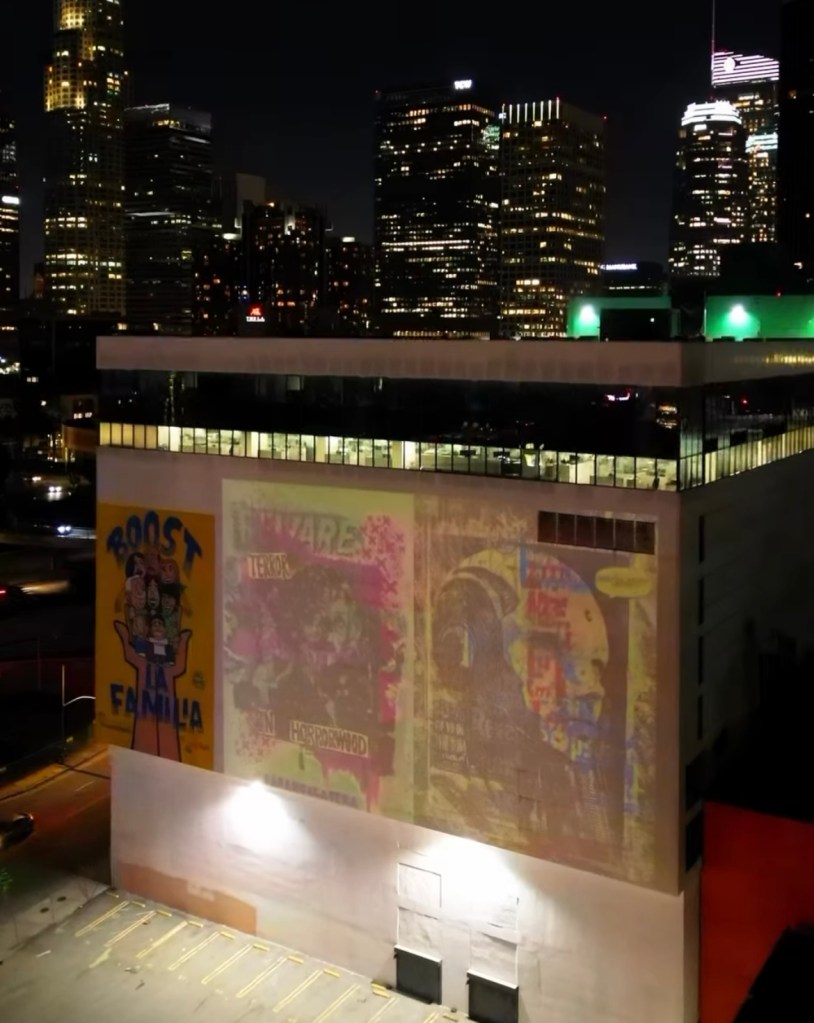
Over the past year, Durham’s artist in residence, Sarah Calavera, has had an immense influence on the university’s art scene. Sarah is a multi-media artist who, since joining the university, has provided a multitude of workshops for students and has been a face for the Student Art Prize. Throughout the academic year, there have been gel printing, image transfer and cyanotype workshops. Sarah first made an appearance at the Freshers Fair, and then at the Student Art Prize Launch, always with activities set out for students to get involved in. She has since continued to provide support for students considering entering the prize through 1:1 clinics.
In February, I attended Sarah’s Focus Artist Talk at Palace Green Library. She started by emphasising the importance of artistic opportunities being offered to students. Although art is not offered as a degree at the university, she expressed what a wonderful thing it is that Durham is engaging with art through events like the Student Art Prize. On speaking about the bigger picture of how important this kind of engagement with art is, she explained that the reason for this is that young people are so often told ‘being an artist is not a proper job’. This is of personal significance to Sarah because, growing up, ‘options weren’t there, weren’t encouraged.’ She even said that one would be ‘laughed out of school’ for pursuing art. Thus, art being backed by university in this way is of great importance to her.
Sarah grew up locally but, keen to experience living in a new environment, went to Manchester university to study photography. Previously studying art and design, she had discovered an interest in creating art in the darkroom, which led her into photography. However, she disliked the self-directed study of the photography course and its limitation solely to photography. Her tutors were of the opinion that her work was too Gothic, and Sarah said that they ‘wanted to put you into a little box’. With a desire to move away from academic art, she went to work as an English teacher overseas for twelve years where she instead used art as a way of escape. She expressed the importance of this escape, and that where art can sometimes cause stress, its purpose should be to relieve it. She began an Etsy shop for her art and started to gain customers, at the same time selling at events. She also had an online copywriting job for dentists and accountants, but, in her words, ‘AI changed the game for everybody creative’. Sarah said that it was ‘adapt or die for creative people’. Fortunately, however, Sarah’s Etsy shop became more successful than she had originally anticipated. Now, the artist residency at Durham has proved to her that art can be a career. She is now unapologetic about liking all things Goth and horror, and the residency has allowed and encouraged her to do what she is passionate about.
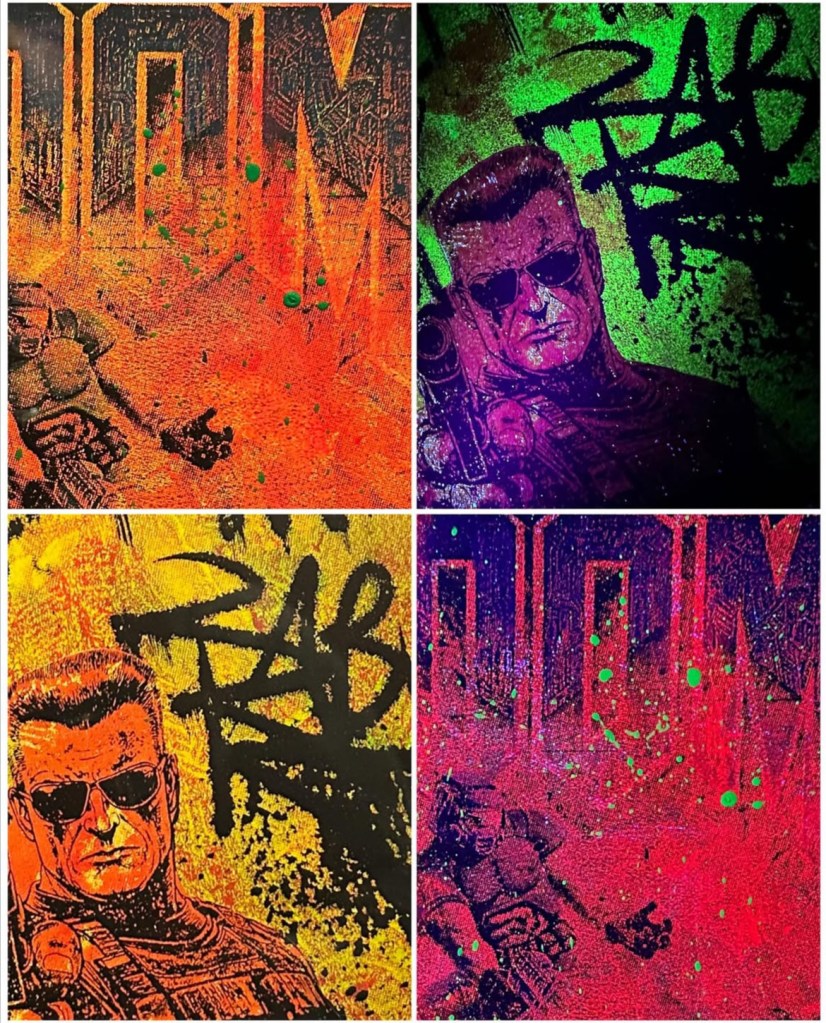
Sarah’s work has come full circle. Not only had she had felt trapped by photography before but had had several bad experiences with her cameras being stolen on multiple occasions (once at knifepoint). Now, she is making use of the first camera she has bought since then, a digital camera with a thermal printer. This has proved perfect for collaging photos of bits and pieces of her surroundings in the city, using the same textures and overlaying that she did in her university portfolio. She then scans these back into digital images. This work has transpired into more of a street art style; Sarah found herself intrigued by comic book images of women looking always both terrified and sexualised, which she has used as a link into exploring the fear that women feel when walking home in the dark. She is currently developing this line of inquiry with the intention of creating a body of work around the theme of “unsafe spaces”. This work will explore how mostly women, but also people on their own more generally, feel vulnerable in certain spaces.
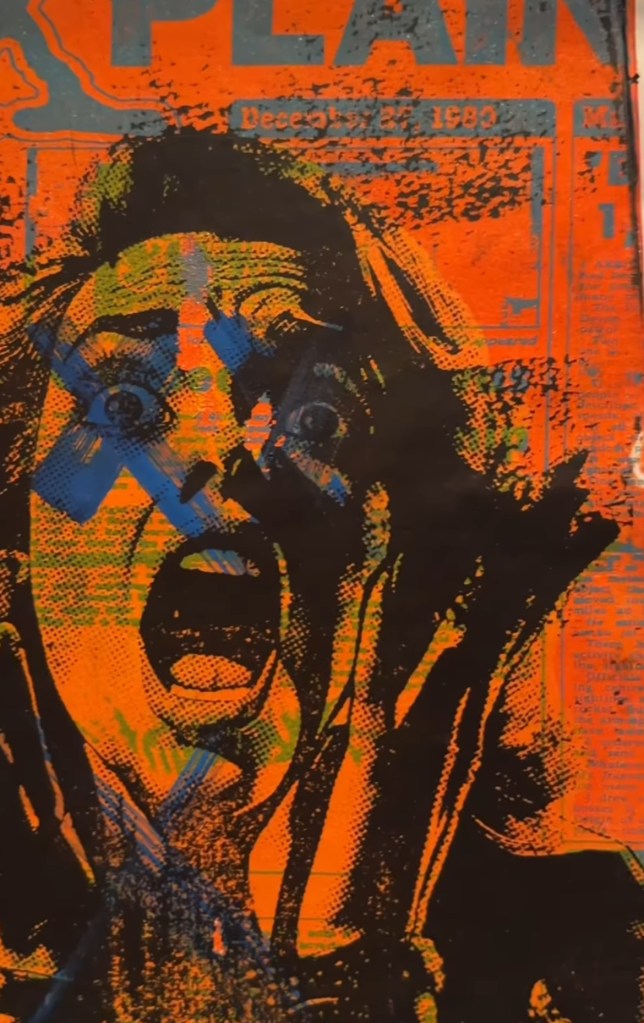
In her talk, Sarah took the time to discuss the ethics of image use. She has created something new out of the comic book images she has used in her work, but ‘a lot of artists make their entire careers from other people’s work’ and she expressed how that does not sit right with her. But then again, AI is a different ball game, where copyright laws do not apply. At least in the case of humans creating art out of others’ work, there is a sense of appreciation in replication. Sarah discussed the term pastiche and related it back to how in schools students are taught to ‘be like other people’. It seems that although it is perfectly reasonable to be inspired by others, to some extent creativity has been quashed by the need to reproduce.
On the subject of her workshops, Sarah said that combining cyanotype and gel printing is ‘busy on the eyes, but something that you have to look at for ages is more appealing to me.’ This idea of dissecting or peeling back the layers of an image seems to be critical to her style of work. These workshops have clearly been very rewarding for Sarah: ‘watching other people at work brings me a lot of joy’. Different methods of what she calls painting with light have always fascinated her, and so when she heard that the theme of this year’s Student Art Prize was ‘Light’, this evidently excited her. Manipulating photography and its chemistry is far more interesting to her than photography itself, and so she has made sure to encourage students to think creatively about the theme and to consider what might be possible with different mediums. The residency has clearly been a joyful experience for Sarah, and in turn she has brought opportunities to the university for students to explore art in new and exciting ways.
 John's Chronicle
This was an interesting account. It also raises some important issues about the changes that AI will bring.
Professor Trevor Kerry
LikeLike