
Eleanor Arneil talks to alumna Rosi Jelfs about her time in St John’s and her advice for current St John’s students.
I had the opportunity to speak to Rosi Jelfs about how her involvement in sports for St John’s College and the university shaped her Durham experience and post-university life. Rosi studied German and Spanish at Durham between 2008-2012, before completing a master’s degree in German literature in 2014.
Rosi chose St John’s College purely because statistics demonstrated she had the best chance of getting in, however, her arrival at St John’s quickly affirmed she had made the correct choice of college. After visiting a St John’s open day in her last year of school and then taking a gap year, she arrived for fresher’s week. She was greeted by a student representative from the open day 18 months prior, who recognised her and even remembered her name. She immediately knew St John’s was a friendly place. Rosi later described how, despite the physical changes to the college building, whenever she enters St John’s she feels like she’s coming home, due to her happy memories living there.
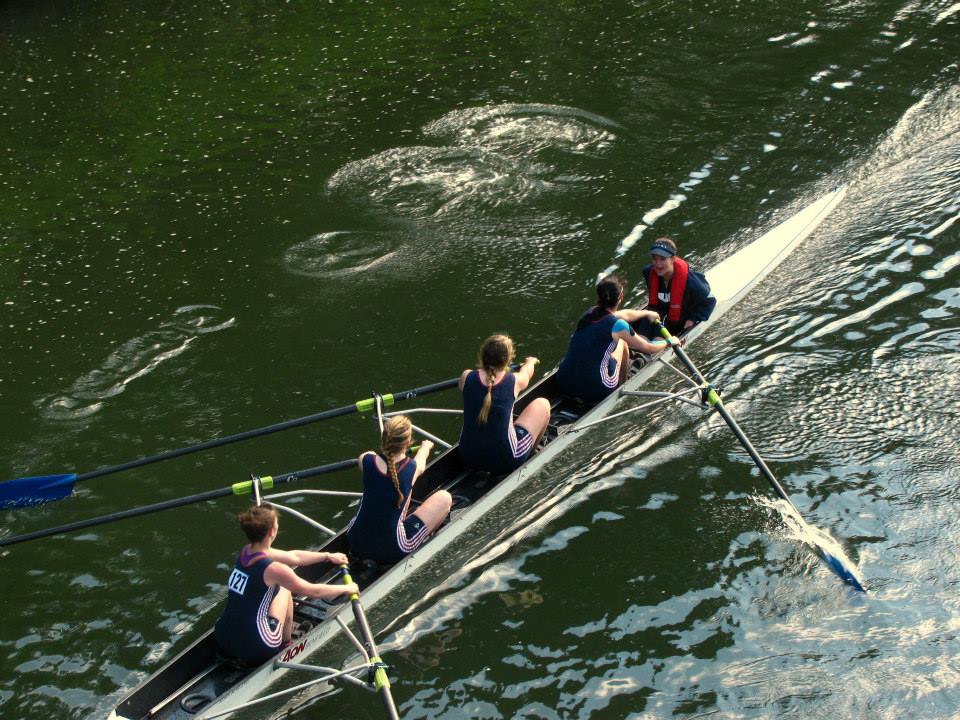
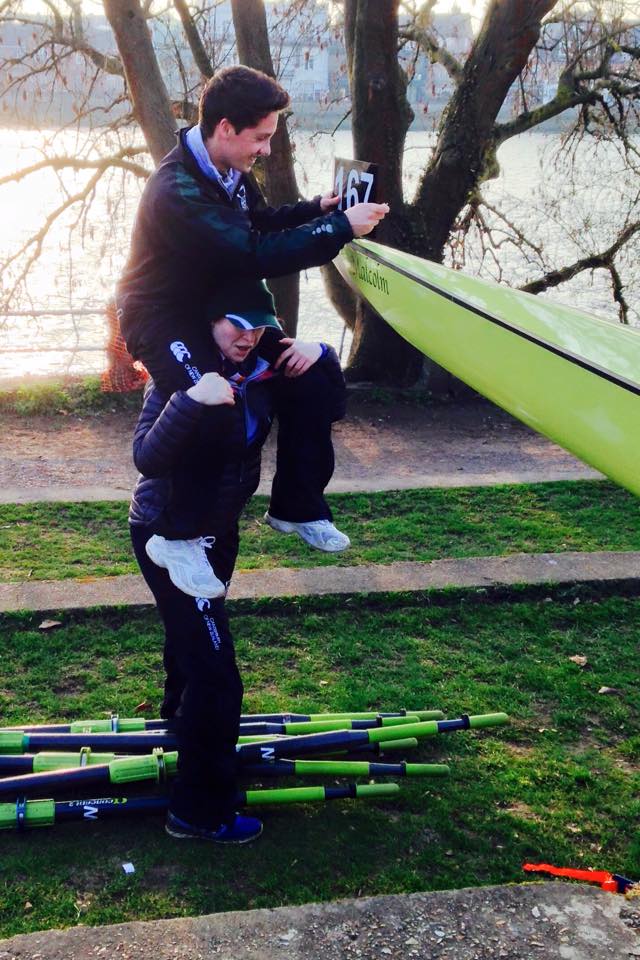
Like many St John’s students, playing sports for college and university was a huge part of Rosi’s Durham experience. Rosi played university rugby, as well as college rugby and rowing – admitting to me that she probably spent too much time playing sports and not enough time studying for her degree! Nonetheless, Rosi attributes college sports – and rowing especially – to her forming some of her strongest friendships. She recalled how suffering through rowing at 6am in the bitter cold created unmatchable bonds. One of Rosi’s proudest moments occurred during her time as boat club captain. For the first time, St John’s managed to get a crew of eight women to compete in the prestigious Head of the River Race. She describes how ‘it wasn’t my achievement; it was their achievement – but a lot of work had gone into getting us to the point that a woman’s crew could race.’
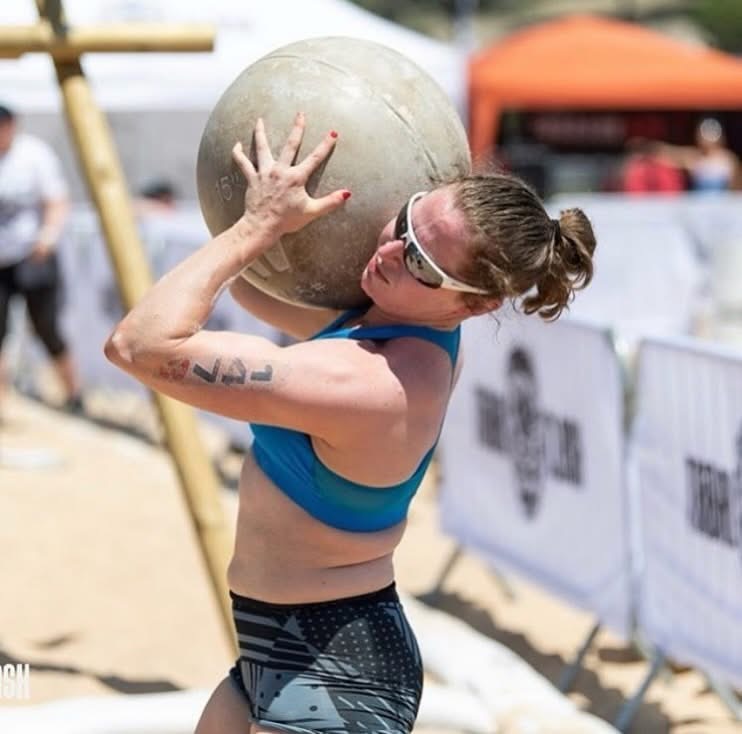
I spoke to Rosi about how sports have continued to shape her life after university. After venturing into the world of CrossFit post-graduation, Rosi began weightlifting. From competing in the British Weightlifting Masters Open at North Tyneside to being able to lift her own body weight, Rosi has achieved considerable physical feats. She also praises the mental benefits of sports, as physical activity has offered a crucial respite from stressful situations at work. She described how her capacity to do hard things in the gym has increased her confidence beyond sports, reminding her she can do hard things in all areas of her life. For example, she is able to apply the practical approach to problem solving she uses in the gym to approaching challenges at work. She points out that now there are so many opportunities to get involved with sports after graduation, such as gym classes or football teams, and encourages everyone to find physical activities they enjoy.
I also spoke to Rosi about how her career aspirations shifted during her time at Durham. Our discussion revealed to me the importance of being open-minded about career opportunities. Rosi initially studied languages because she wanted to be an interpreter. However, on her year abroad she did an interpreting course in Germany, where she realised working as an interpreter wasn’t the right fit for her. After completing a master’s in German literature, she got a job at the Bill Bryson library. She describes the ‘fortune’ of ‘falling’ into a career in higher education, which she finds really fulfilling. I asked her how she dealt with career uncertainty, to which she gave very sage advice – by ignoring it! She would advise students to be open to everything and not worry too much about things they can’t control. As Rosi’s career path demonstrates, things have a habit of falling into place.
I ended my interview with Rosi by asking her what piece of advice she would give her first year self. She advises students to be really open-minded about what they might experience and the people they meet, as forming connections with people can lead to unexpected, but brilliant, opportunities. Secondly, she recommends using the help that is available across the university. From having a really serious issue, to minor maintenance problems, people are there to help you – so ask for that help.
Photos provided by Rosi Jelfs.
 John's Chronicle