
Miro Cafolla reflects on the inaugural Café Théologique talk focusing on the relationships between food and faith.
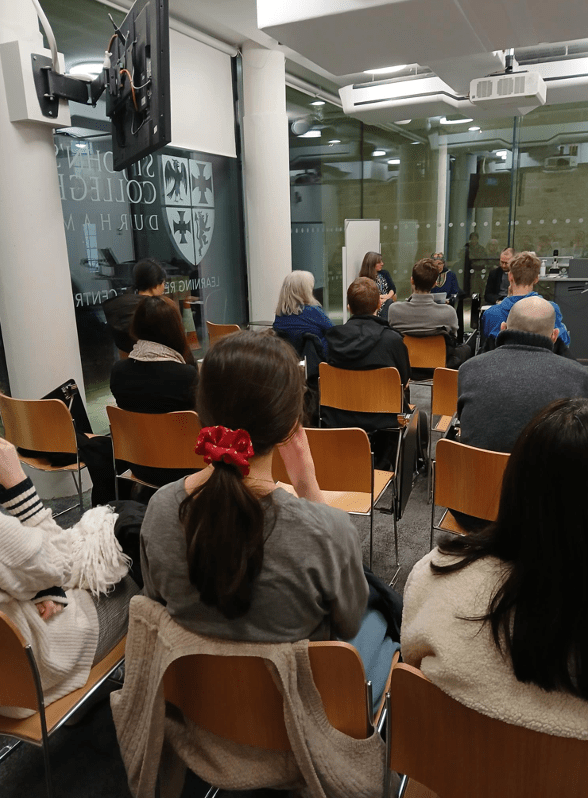
On Monday, 2 December 2024, St John’s College proudly launched its own series of ‘Café Théologique’ talks. This initiative brings together experts from diverse faith traditions to explore socially relevant and sometimes controversial topics in faith and religion.
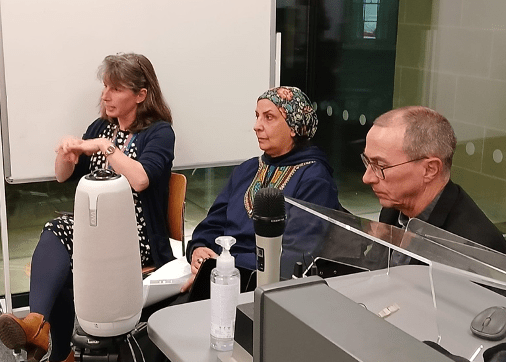
The inaugural event focused on the intricate relationship between Food and Faith and featured three distinguished speakers:
Rev Andrew Downie, Catholic Chaplain at Durham University
Dr Mashid Turner, Muslim Chaplain at Durham University
Revd Dr Elizabeth Kent, St John’s Chaplain and Director of the Wesley Study Centre
Each speaker offered unique insights from their respective traditions – Islam, Roman Catholicism, and Methodism – highlighting the profound ways food connects with faith, identity, and community.
Islam: Food as Gratitude, Faith, and Ethical Responsibility
Dr Mashid Turner opened the discussion by reflecting on Islamic teachings regarding food, such as halal practices and the observance of Ramadan. She emphasized that these teachings converge on three main principles:
1. Gratitude for Food as a Gift: Practices like fasting during Ramadan remind Muslims of the fundamental importance of food, which is often taken for granted in societies of abundance and waste.
2. Nourishment Beyond the Physical: Food sustains our physical bodies, but Islam also calls attention to the nourishment of the soul through arts, literature, and, most importantly, faith.
3. Respect for Nature and Ethical Consumption: Halal guidelines extend beyond dietary restrictions to include respect for animals and sustainable farming practices, encouraging ethical interactions with the natural world.
Catholicism: Fasting, Feasting, and Social Justice
Rev Andrew Downie explored the role of food within the Roman Catholic liturgical calendar, which is marked by cycles of fasting and feasting. He highlighted the spiritual significance of fasting, drawing from Jesus’ teaching: “Man shall not live on bread alone, but on every word that comes from the mouth of God.”
Fasting, he explained, cultivates spiritual growth and gratitude for the sustenance we often overlook. It also serves as a reminder of social responsibility, encouraging individuals to reflect on injustices in global food production and distribution. Rev Downie stressed the importance of using consumer choices to advocate for fairness and sustainability in the food system.
Feasting, on the other hand, offers opportunities for connection and celebration. Sharing meals with family, friends, and neighbours becomes an act of gratitude, honouring God’s gifts and fostering community.
Methodism: Faith, Food, and Identity
Revd Dr Elizabeth Kent addressed the intersection of food, faith, and personal identity, particularly in the context of eating disorders. She acknowledged how asceticism and certain rigid teachings within Christianity might unintentionally contribute to control and perfectionism, which can fuel harmful relationships with food.
However, Dr Kent also highlighted the Church’s potential to be part of the solution. Christianity teaches that individuals and their bodies are part of the body of Christ, emphasizing a duty of care not only to oneself but also to the broader community. This perspective invites a more compassionate and holistic approach to physical and spiritual well-being.
A Shared Core: Respect, Care, and Community
Despite their different practices and perspectives, the speakers revealed a shared core among their faith traditions: a commitment to respect and care for nature, for one’s neighbours, and for one’s own body.
This inaugural Café Théologique talk exemplified what St John’s College values most: building bridges across differences and fostering an inclusive community where ideas and opinions are exchanged constructively to shape a better future.
A Community of Connection
By attracting experts and an audience from various backgrounds, this event demonstrated the power of dialogue in fostering understanding and collaboration. It’s what we do best here at St John’s.
Image Credit: Miro Cafolla
 John's Chronicle