
Arts and Culture Editor, Christian O’Brien, explores the changing perceptions of England’s North-East, as highlighted through artwork in the Laing Gallery’s ‘Romance to Realities’ exhibition.
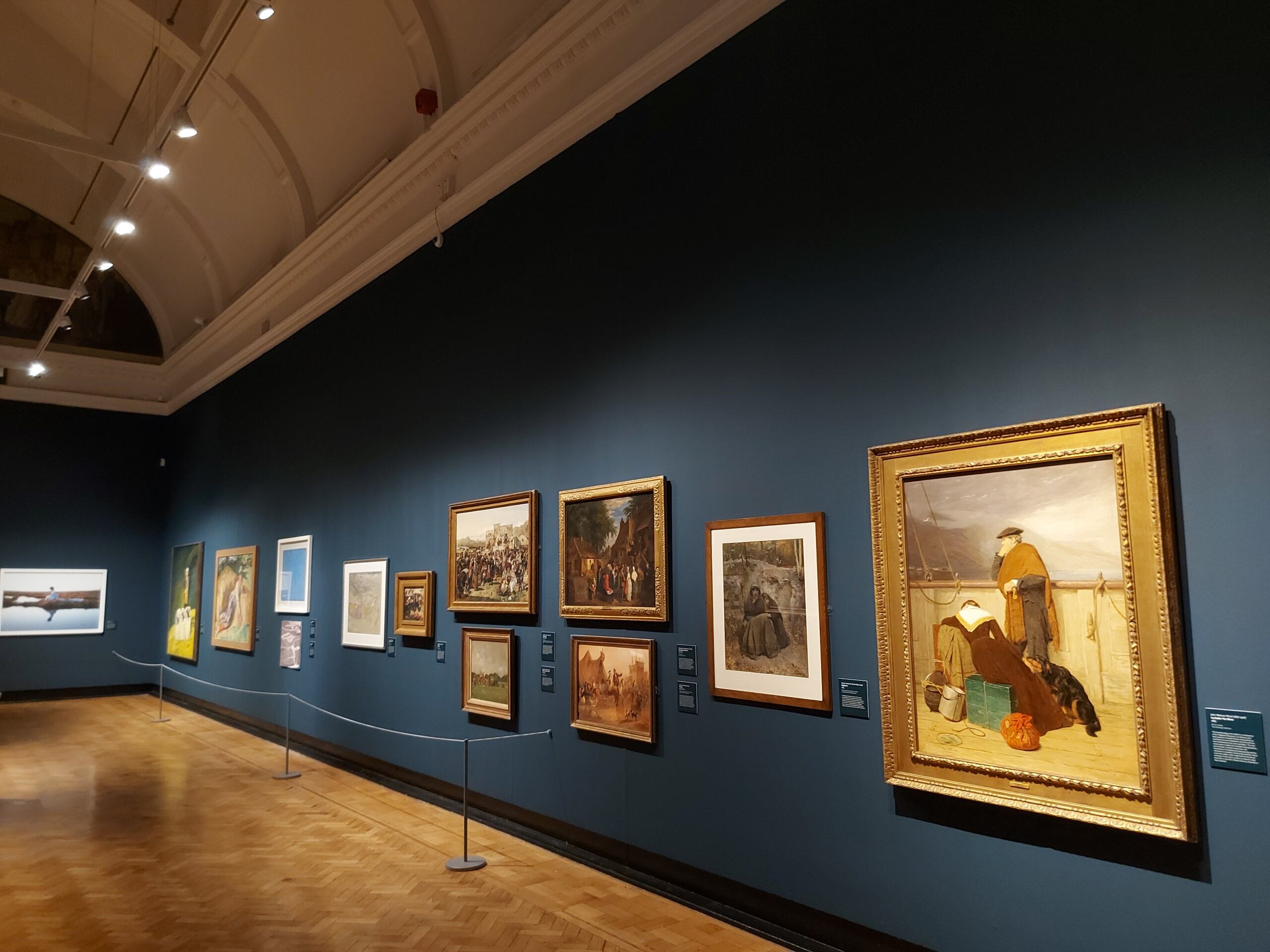
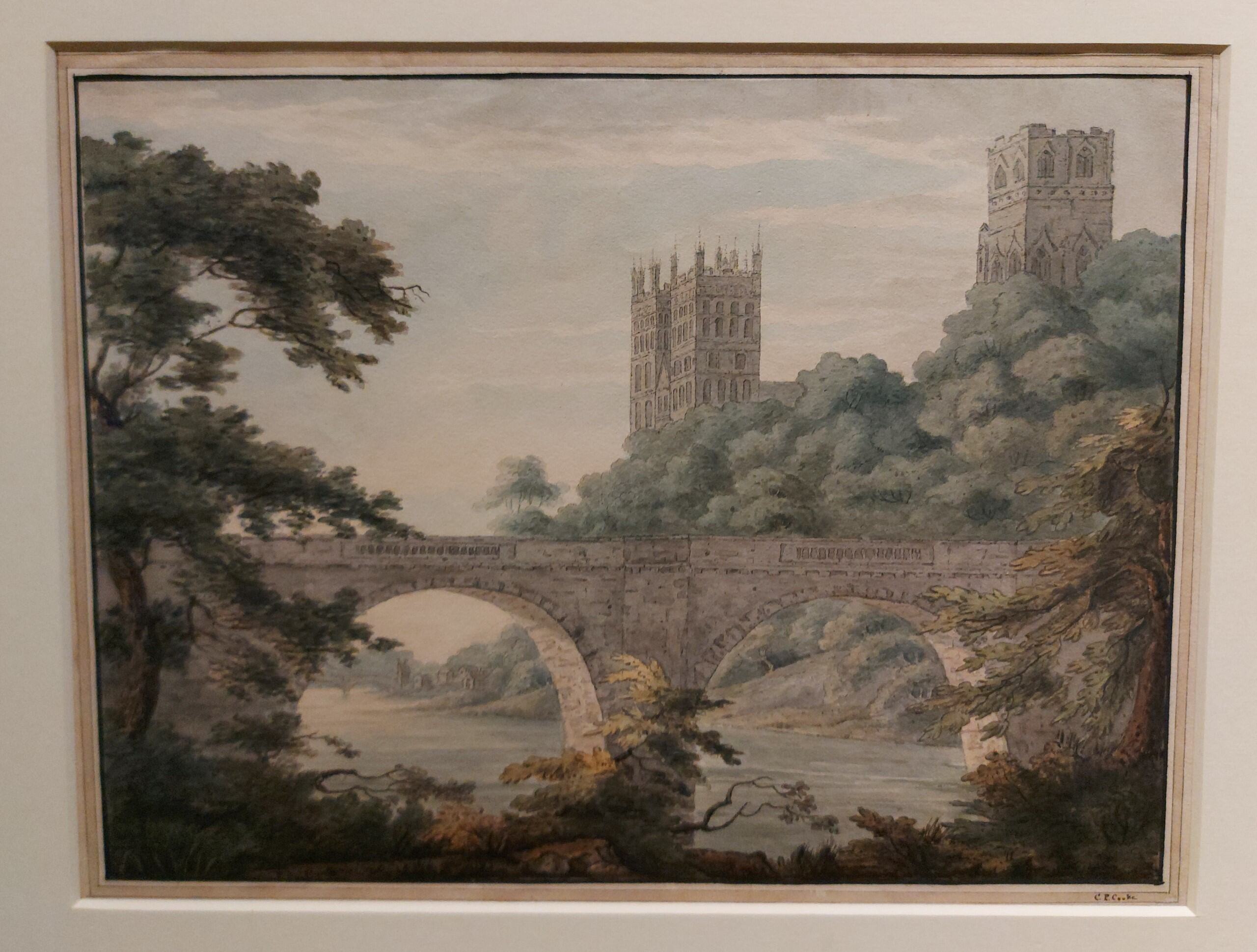
Stepping into the exhibition hall within Newcastle’s Laing Gallery, the scenes that I was faced with were reminiscent of those scenes that many of us students see every day – rolling, verdant hills, meandering rivers and cobbled streets. These landscapes were what attracted many of the great Romantic artists of the day, J.M.W. Turner and Alexander Nasmyth among them, to Durham and many other places in the North-East. To this day, the region has been cast as a popular backdrop for TV shows and films alongside modern art and photography, though much-changed in comparison to the world of the Romantics in the 18th and 19th centuries.
As the title of the exhibition suggests, the pieces of art selected for viewing in the gallery reflect the sweeping socio-economic changes within Britain’s history, from the burgeoning industrial sector of the late 1700s to the steady decline of industry throughout the 1900s and 2000s. Paintings of rustic countryfolk, great mountainscapes and thunderous skies are gradually replaced by compact townhouses set on narrow streets and complexes of factories and chimneys as the exhibition goes on, a history lesson taught solely through art.
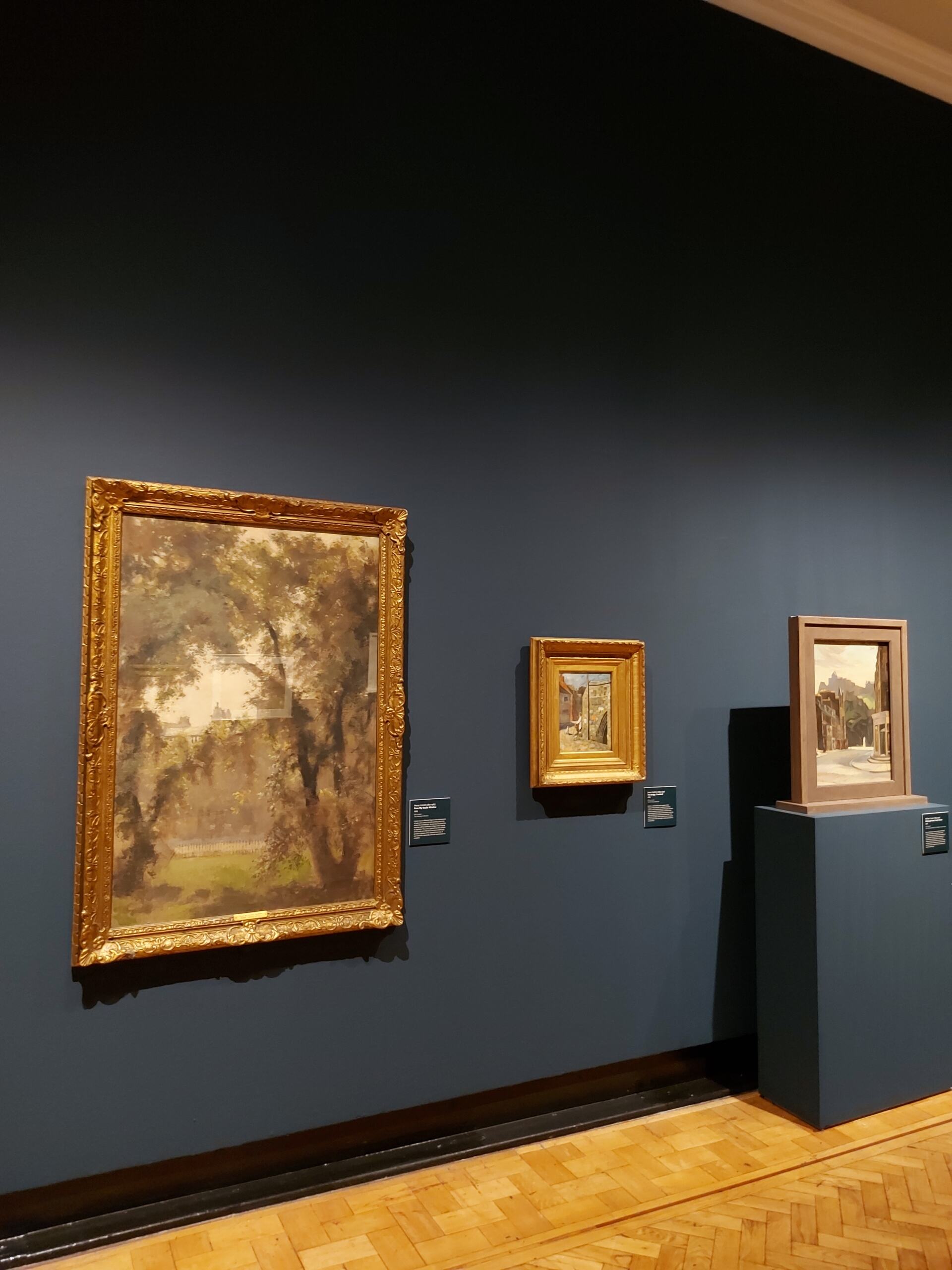
Other than being pleasing to look at, the pieces in the gallery seem to tell a story of Britain that is usually relegated to statistics and paragraphs in a history book – that of the effect of industrialisation on British culture and personal life. Romanticism as a movement itself was a response to the rapid advancements made in only a couple of centuries as a result of the Enlightenment and Industrial Revolution, with not only the visual arts but also music and literature embracing culture, nature and the sublime in the works of such cultural icons as William Blake and Percy Shelley. For many paintings, grand vistas serve as a background to the everyday life of shepherds and farmers, a far cry from the suburban hell faced by many today. John Ritchie’s A Border Fair, depicts the revelrous scenes of what is likely the Stagshaw Bank Fair, the event now lost to time. In its place lies a common blanketed by moorland flora, the likes of gorse, bracken and heather, and empty bar the looming electricity pylons in the distance – an almost ironic reminder of the industrial boom that marred much of the country’s rural life.
Yet, Romanticism soon steps aside to the ‘realities’ of life. A striking example is of L.S. Lowry’s 1935 River Scene, a bleak and ashy industrial landscape likely depicting the Tyne, the sparse use of brighter colours amongst blacks, browns and beiges making the scene almost palpable – even the rare red or yellow feels muted amongst the soot. Carol Rhodes’ 2001 Trees and Works similarly emphasises the effect of industry on Britain’s countryside, with the overwhelming sullen-grey forestry cleared for a massive hideous water plant, the aerial perspective highlighting the abnormal geometric shapes carved into the woods as a result.
The darker end to the exhibition raises a question, namely whether the realities of the post-industrial landscape in the North-East and beyond can see a brighter future. With the UK’s climate and ecology in threat and the economy flailing behind many of the world’s developed nations, it seems as though optimism for the future might as well be a product of Romantic ideals. At least the Laing Gallery’s exhibition shows us that art can thrive, no matter the state of the nation.
The Laing Art Gallery’s ‘Romance to Realities’ Exhibition runs in Newcastle until Saturday the 26th of April, and is free for under-21s with £6 concession tickets for all students.
Image Credit: Christian O’Brien
 John's Chronicle