
Imogen Taylor, Chronicle Communications, Media and Alumni Lead, had the pleasure of sitting down to talk with Ian Bunting, who was Director of Pastoral Studies for Cranmer Hall between 1971 and 1978. They reflect on this ‘transitional’ time in Ian’s life at Durham and the relationship between Cranmer Hall and the rest of St John’s College.
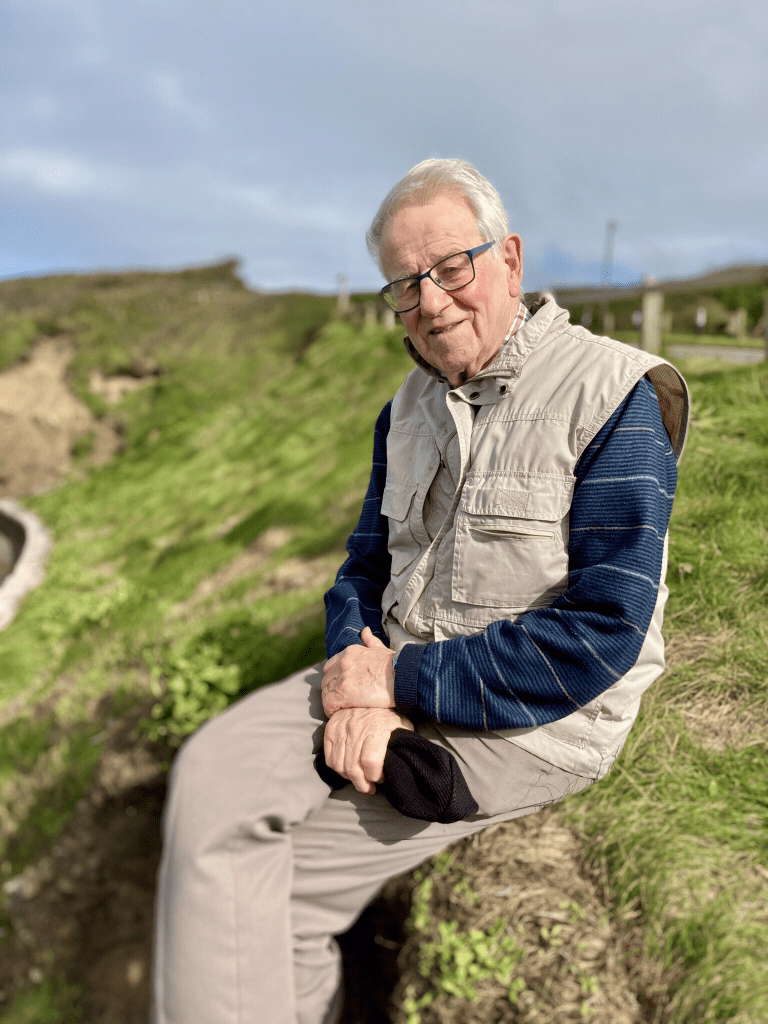
What was your career proceeding to becoming a lecturer at Cranmer?
After National Service, I did a degree in Theology at Oxford University before doing a gap year as a plumber’s mate on Liverpool docks, repairing merchants’ ships – which I think was the most significant educational experience of my whole career. However, I was made redundant towards the end of the year and I went on to do graduate study in the United States, returning from that to be ordained in the Church of England back in Bootle, Liverpool. So that’s how my career started, and from then I became vicar of a parish just further up the Mersey, St John’s, Waterloo, which proceeded my appointment as a member of staff at Cranmer Hall.
What drew you to Cranmer in the end? Was there anything in particular?
My graduate study had been in Historical Theology but because of my experience in Liverpool, I was transitioning into Practical Theology and I received an invitation from St John’s College to become their first Director of Pastoral Studies. Mine was one of the first of two such positions in the Church of England at that time.
You have said that the time at which you were at Cranmer was a period of transition. What do you mean by this?
It was a period of transition for me from Historical Theology to Practical Theology. However, I also arrived at St John’s at what I feel was a critical period of the college’s development. The principal at the time was John Cockerton, who was a humble and modest man, but a visionary. I arrived shortly after his appointment, when previously he had been Warden of Cranmer Hall. The reason it was transitional was because St John’s College had been a low-rated college in the university for some years. It certainly had some very bright students but most of these were at Cranmer Hall, and some were there because of the good theology faculty in the university which had long had a good national reputation. Yet, as an undergraduate you could get into St John’s with low A-level results for a general degree. Very often, St John’s was favoured by Christian families and by families where the children could not get into Oxbridge – Durham University being the second choice. However, the college was transitioning, largely because the members of staff were of an expansionist outlook. This was one of the things that appealed to me most when I arrived.
A testament to some of the staff:
Robin Nixon – Senior Tutor, was a New Testament scholar.
Bruce Kaye – an Australian Anglican who worked on a doctorate in Pauline theology.
Ruth Wintle – a female Tutor, she later became the first female Cathedral Canon in the Church of England, in Worcester.
Tim Yates – Warden of Cranmer Hall at that time, was also a church historian.
E. M. ‘Mally’ Yates, née Shaw, Tim’s wife – had been appointed tutor in 1965 when the college pioneered the training of women for ministry in the Church of England on an integrated basis with men.
Michael Vasey – was gay and became the forerunner of accepting evangelicals in the Church of England. Michael was conservative theologically, but he led the way in that sphere.
John Gladwin – later Bishop of Chelmsford, was a radical, at a time when the evangelical cause in the wider Church of England was gaining strength. St John’s and Cranmer Hall certainly served that constituency among others. We were not as trendy as St John’s Nottingham, which was I suppose the leading evangelical college at the time. I always thought we were more sensible!
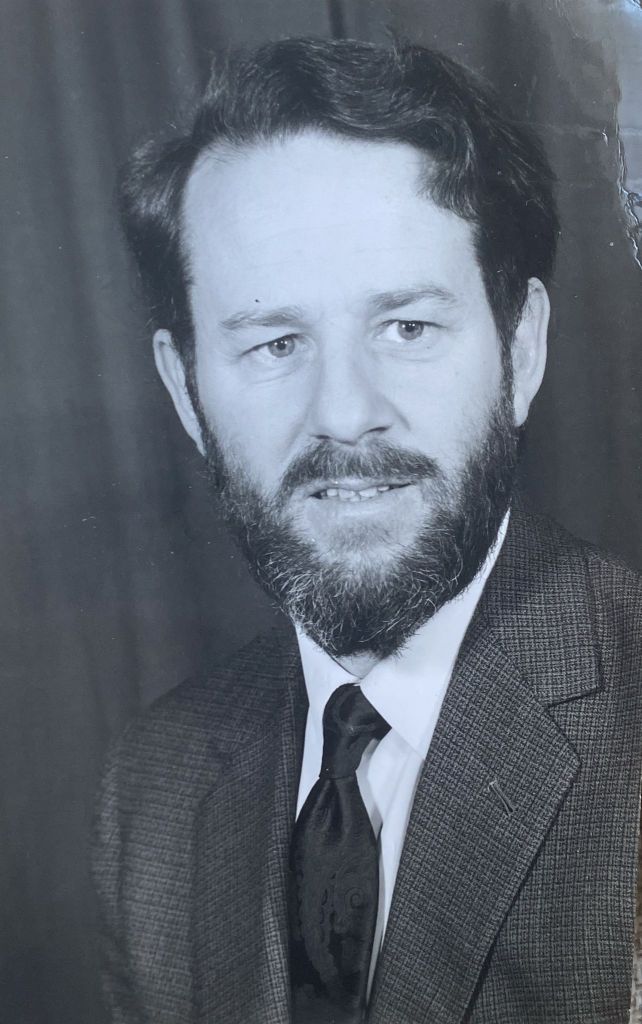
Where did life take you after you left Cranmer?
It took me not far to Chester-le-Street Parish Church. It was (and I suspect still is) the flagship parish of the college. The college is the patron meaning that St John’s has a significant say in who becomes the Rector at Chester-Le-Street. It so happened that when I felt it was right to move on from Durham after 7 years, the parish was vacant, having been transformed by a highly effective Rector, Patrick Blair. I had applied for a theological teaching job which I did not get. Eventually, I was asked to go to Chester-le-Street and was there for 9 years, as the Rector. They were demanding years but they were very good years in a very large parish. The population was 25,000 people.
What was the relationship like between John’s students and Cranmer students?
There was a good relationship between Cranmer and John’s in the wider community. For instance, St John’s students used to serve, in a voluntary capacity, in all sorts of village churches and other social and charitable projects in the University and around the City. Although I was Director of Pastoral Studies in Cranmer Hall, I had oversight of what one might call the voluntary pastoral community that St John’s had in those days.
Having said that, there was not a lot of contact between Cranmer Hall and St John’s in my time. But relationships were never a serious problem that I recall. The dining rooms were separate for Cranmer and John’s. Moreover, in those days, there was not much interchange. Certainly, the sports teams did have a mixture of Cranmer and St John’s students. One of the great advantages now is that there is only one chapel. Whether or not people go there today, in my days Cranmer worshipped separately from St John’s and although were was no problem with that, it did create a distinction; eating in different places, worshipping in different forms, and accommodation in different parts of the college. No doubt things are different today.
Do you have any anecdotes or fond memories of your time in John’s?
There was one notable student prank. Shortly after I arrived in 1971, the Senior Tutor decided he wanted a back garden and so he fenced off a section of the lawn behind the college. This did not please the student body one little bit. I remember the day when I came over to my office in the college and saw that in this makeshift back garden was a large, grazing sheep! The students had doubtless purloined it from one of the local farmers and deposited it in the senior tutor’s back garden! It was certainly the most memorable and effective student protest in the college in the course of my time. Needless to say the sheep did not last very long and it was not long either before the fence came down and the college garden was restored! It did cause a good deal of good natured merriment in one of the happiest periods of my whole career!
Images provided by Eryn Reiss.
 John's Chronicle
One thought