
For Holocaust Memorial Day, Thomas Jackson, SJCR President 2022-23, reflects on his trip to Auschwitz-Birkenau in April, 2023.
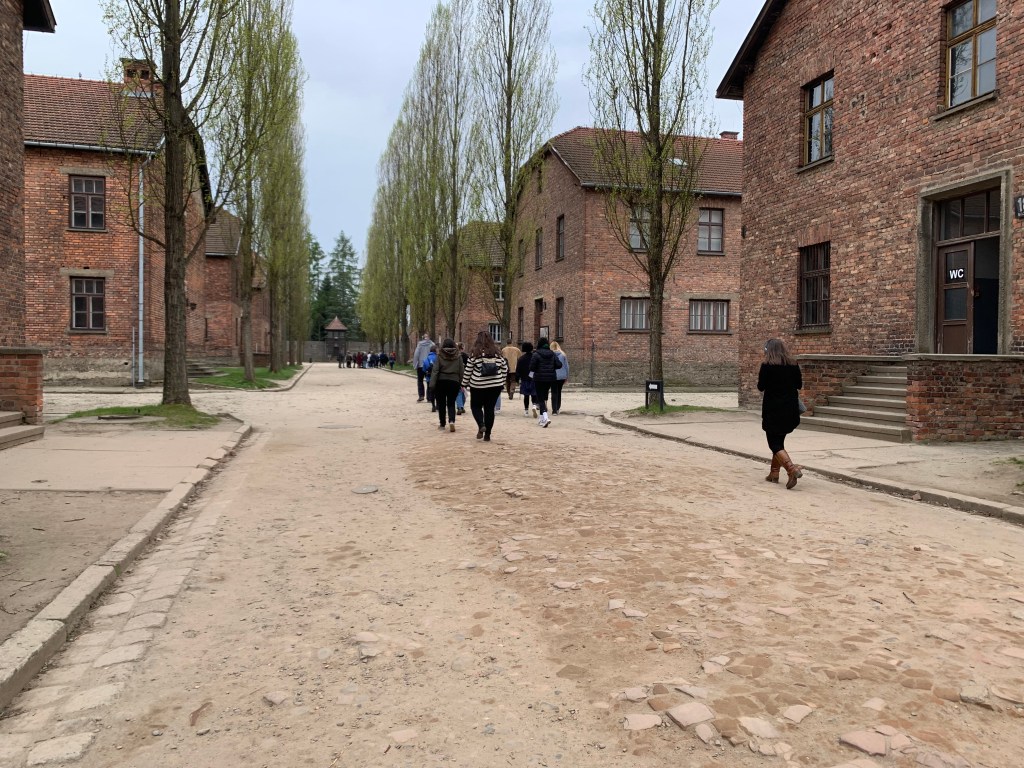
In April 2023 I took part in the Holocaust Education Trust’s “Lesson’s From Auschwitz in Universities” project, which saw me visit the Auschwitz-Birkenau Concentration and Extermination camp alongside other members of College staff.
Over the course of the project, we discussed antisemitism throughout history and the background to the Holocaust, which is known as the Shoah in Hebrew. Before leaving we heard the powerful testimony of a Shoah survivor, and after our return we reflected on what all this tells us for the modern world, especially in universities.
This powerful experience served as a lesson on antisemitism, both in the past but also in the present day. It taught how human hatred can arise and the terrible consequences such hatred can have. I am compelled to share a little of my reflections after this, as if we do not learn from the horrors of the past then horrors will surely arise again in the future.
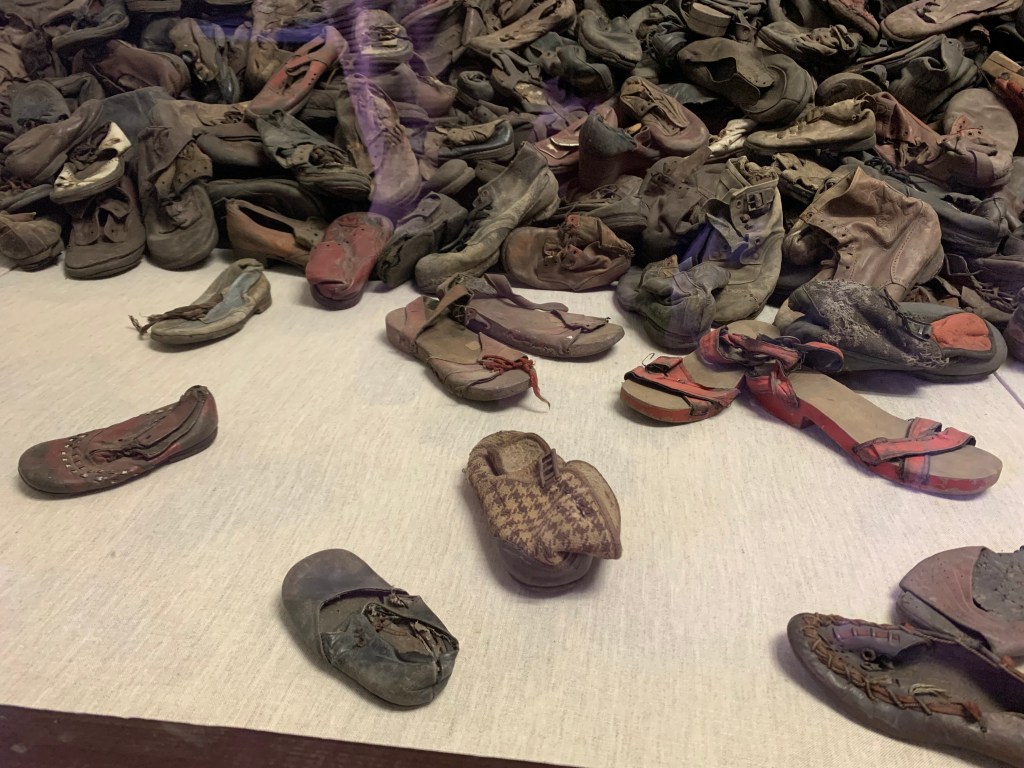
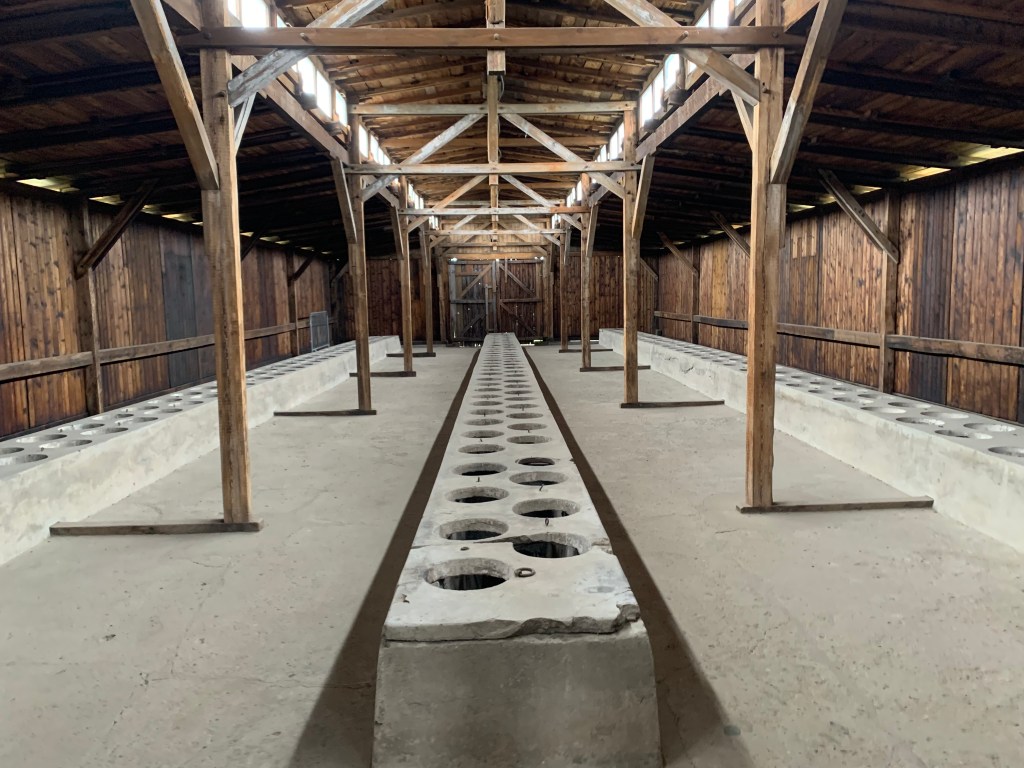
As you walk through the Auschwitz camps you are struck by the sheer scale of the atrocity. It is estimated that about 1.1 million people died here, of which a million were considered Jewish. About 6 million Jews were killed by the Nazis, representing about two-thirds of the European Jewish population. The Nazis industrialised murder.
Everyone seems to struggle to comprehend the Shoah, and Janine Webber, the survivor we spoke to, talked about how she found no opportunity to grieve or obtain closure. The events erased entire communities from history, with so many names and stories lost along with them.
One of the most famous and shocking rooms in the complex is filled with many tonnes of the hair of victims, including some children’s plaits, removed just prior to their execution. For me in that place, it was necessary to put some mental distance between myself and the events. Standing there encourages you to think how awful this was, how it could not happen again here, and how it was an evil act carried out exclusively by evil people. But we should not think of this as a horror of the distant past.
We heard from Jewish students throughout this project, and the truth is that antisemitism remains a real problem in the UK and in universities. Moreover, other forms of discrimination are equally present. We must never be complacent. We continue to see horrors around the world caused by discrimination. And microagressions and discrimination remain all too common in everyday life. This discrimination develops over time, and if we are not educated to spot and challenge such behaviour then humanity is doomed to repeat its mistakes. We all have a responsibility to seek such education.
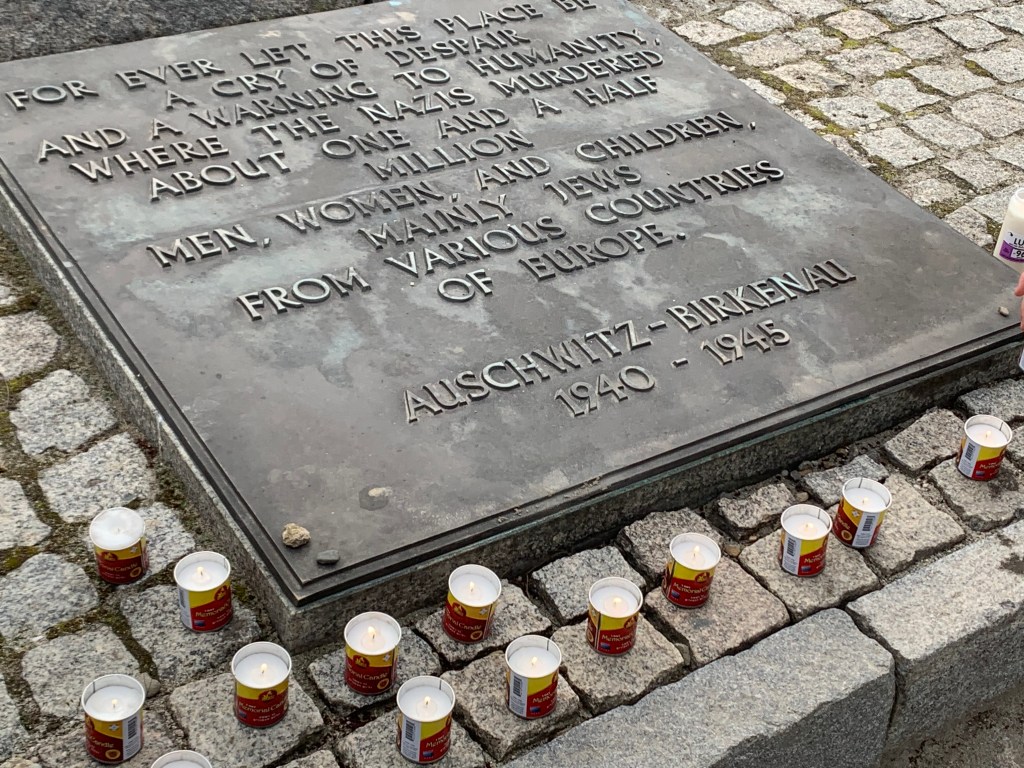
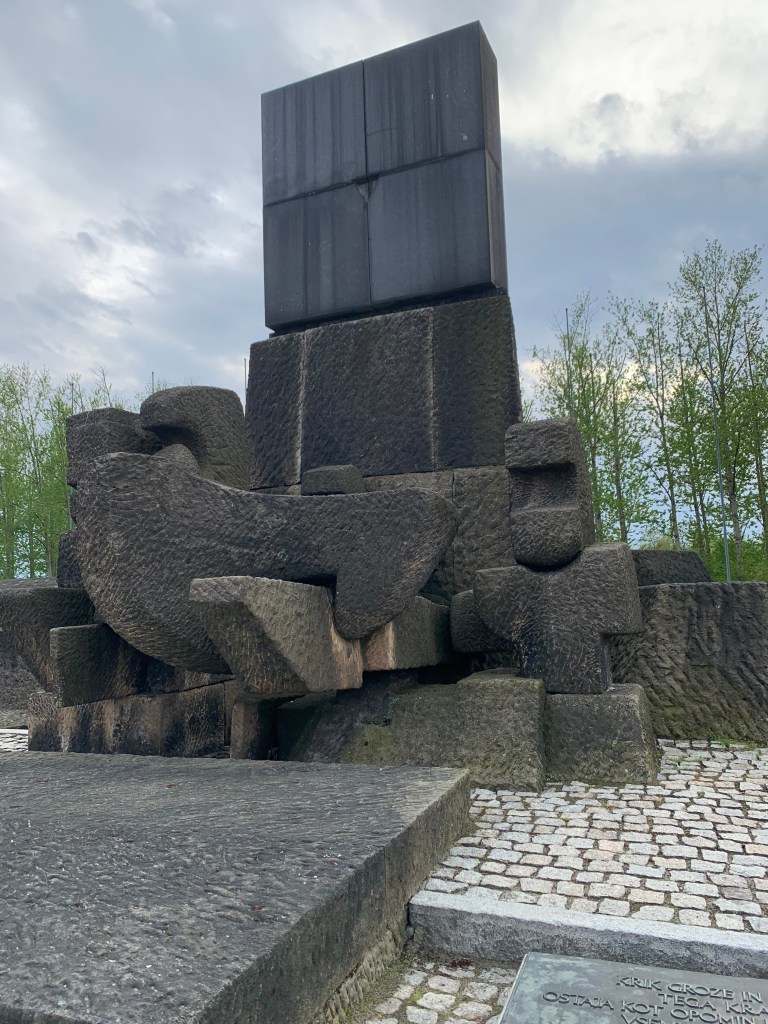
One of the most striking things for me about this trip was thinking about the perpetrators. For good reason, popular thinking often paints the Nazis as monsters. As killers, who we cannot relate to. This is most certainly a lie.
We cannot think of the people who have done this as monsters rather than as humans. This excuses the perpetrators for some of their responsibility, and it excuses humanity collectively too. I believe that human anger, selfishness, and hatred caused the Shoah. I know that human anger, selfishness, and hatred remain in the world today, and we must challenge these things wherever we find them.

 John's Chronicle