
Alumna Barbara Perryman was one of the first women admitted to St John’s College in 1973. Lucy Irving interviews her to discover what college life was like in the 70s and how her university experience shaped her future.
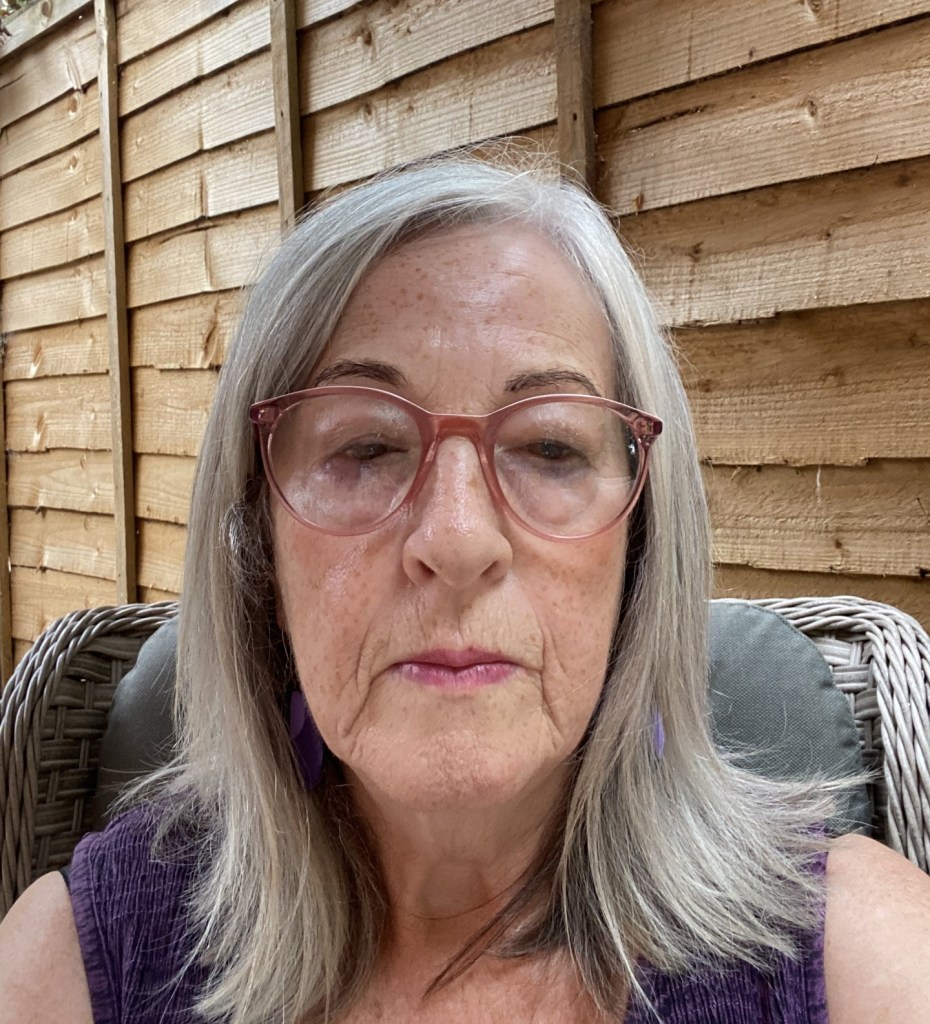
Barbara applied to Durham despite never having visited the North East of England! Finding the collegiate system and full board appealing, she decided to apply to the university after attending a Church of England national event, where she met a family who lived in Ferryhill, near Durham. During her time at St John’s (1973-1976) she completed a degree in Sociology and Social Administration with two placements: a residential facility in Middlesbrough, and a housing project in Newcastle upon Tyne.
In her first year at Durham, Barbara had a room that looked out over North Bailey and had to quickly get familiar with the sound of the Cathedral bells tolling! She holds fond memories of St Johns, remembering evenings drinking coffee and debating, occasional visits to the bar (which was relatively new!), playing hockey for the John’s women’s team, and lots of parties and balls which she even made her own dresses for! One particularly memorable event from her first year was with her tutor, Sue Brown, who wrote a Gilbert and Sullivan opera song to the words of The Mikado for women entering the college, including line such as ‘pour out the custard and watch it congeal…’.
Barbara’s second year was spent living in Cruddas, which was notorious for having lots of water fights, and her final year was spent living out in The Avenue. She has fond memories of the local catering and cleaning staff which were just as lovely and helpful as those today.
After attending Durham University, Barbara went on to complete a postgraduate in social work, before working in generic teams for the next 10+ years. Later, as team manager, she gained an Msc in Public Services Management. Whilst she was a student at Durham, she got involved with volunteering and remembers a project at an NHS long-term hospital for adults with learning disabilities, called Earl’s House. Barbara found her experience of volunteering as a student very beneficial as it led to a significant area of professional development in mental health and learning disability in social work and senior management roles, including head of service in the largest local authority in England. These posts were in both local authority, NHS commissioning and central government policy work on what became known as Valuing People for people with learning disability. The latter spearheading the change in service model and provision from long term institutions (such as Earls House in Durham) to local supported housing and care. Barbara also found a love of choral singing whilst at Durham, joining the Durham University Choral Society, and has subsequently sang with various choirs over the last 50 years.
Outside of her academics, Durham went on to have a huge influence on Barbara’s future as, following graduation and a job in Sunderland, she met her husband who lived in Durham with his family. Despite moving to the West Midlands for career development, there have been plenty of visits to the North East and Durham city over the last 50 years!
When asked about her favourite memories of Durham, Barbara recalls swimming in the River Wear in the hot summer of 1976 to be particularly memorable, as well as having David Bellamy as an after-dinner speaker. She also remembers a sheep arriving on the Principal’s lawn, allegedly organised by Adrian Dorber, which sounds very similar to today’s Stressless Petting Zoo!
Offering current and prospective students some advice, Barbara suggests joining lots of societies and activities as it is a wonderful way to meet other students and embrace the diversity Durham has to offer. She also speaks about the appealing nature of the collegiate system, which provides opportunities to meet many different people from various walks of life.
Looking forward to the next 50 years of women in St John’s College, she hopes for a continuation of women’s needs and rights embedded in our society, as well as more action and acknowledge of climate change. 50 years ago, Barbara entered the university on a local authority grant for fees and accommodation. She hopes that women from her background will continue to be able to afford to apply. Her daughter achieved an undergraduate and postgraduate degree in textiles at Royal College of Art, where she had a package of financial support, what will happen to her two young children?
 John's Chronicle